


Table of Contents
SEO is no longer just about adding keywords to an article. Search engines have become much better at understanding content, user intent, website quality, and overall user experience. For bloggers, businesses, and website owners, a successful SEO strategy combines high-quality content, technical optimization, internal linking, and a strong understanding of what users actually want.
Whether you are building a new website or improving an established one, the following SEO strategies can help create a stronger foundation for long-term organic traffic.
1. Understand Search Intent
Before creating an article, understand why someone is searching for your target keyword. A user searching for “best SEO tools” probably wants recommendations, while someone searching for “what is SEO” is looking for an explanation.
Your content should satisfy the searcher’s goal rather than simply repeating a keyword.
Look at the search results and identify the type of content Google is showing. Then create something that provides a clear, useful answer while adding your own value.
2. Create Helpful, Original Content
High-quality content remains one of the most important parts of SEO. Instead of writing an article simply to reach a specific word count, focus on answering the reader’s questions completely.
A strong article should have:
- A clear title
- Helpful headings
- Short, readable paragraphs
- Relevant examples
- Accurate information
- Original insights
- A useful conclusion
Avoid adding unnecessary information just to make an article longer. Readers should be able to find the information they need quickly.
3. Optimize Your Titles and Meta Descriptions
Your title is one of the first things users see in search results. A good SEO title should explain what the page is about while giving people a reason to click.
For example, instead of:
SEO Tips
Try:
10 Practical SEO Strategies to Improve Your Website Rankings
Your meta description should briefly explain what readers can expect from the page. It should be natural and informative rather than stuffed with keywords.
4. Use Keywords Naturally
Keywords still help search engines understand a page, but excessive keyword repetition can make content difficult to read.
Use your primary keyword naturally in important locations such as:
- Page title
- Introduction
- Relevant headings
- URL
- Meta description
- Image alt text when appropriate
Also include related terms and concepts that naturally occur around the topic.
For more articles about websites, technology, and digital trends, visit DailyScriptor.
5. Strengthen Internal Linking
Internal links connect different pages on your website. They help readers discover related content and make it easier for search engines to understand the structure of your website.
For example, an SEO article could link to another article about content marketing, keyword research, or website optimization.
Use descriptive anchor text instead of generic phrases such as “click here.” This gives both readers and search engines more context.
6. Improve Website Speed
A slow website can create a frustrating experience for visitors. Large images, unnecessary plugins, excessive scripts, and poorly optimized themes can all affect loading performance.
Compress images before uploading them, remove unnecessary plugins, use efficient caching, and make sure your website works properly on mobile devices.
A fast website is not only better for visitors but can also contribute to a healthier overall search experience.
7. Make Your Website Mobile-Friendly
A large portion of internet traffic comes from smartphones. Your website should therefore look and work properly on smaller screens.
Check:
- Font sizes
- Buttons
- Navigation menus
- Images
- Spacing
- Article layouts
- Forms
Users should not have to zoom in or scroll horizontally to read your content.
8. Optimize Images
Images can improve an article, but they should also be optimized properly.
Use descriptive file names, compress large images, and add useful alt text when the image provides meaningful information.
For example:
Poor alt text:image123.jpg
Better alt text:SEO analytics dashboard showing website traffic and keyword performance
Do not add keywords to alt text if they do not accurately describe the image.
9. Build Quality Backlinks
Backlinks can help establish authority, but quality matters more than quantity.
Instead of creating hundreds of low-quality links, focus on earning links from relevant and trustworthy websites. Guest articles, useful resources, digital PR, original research, and genuinely valuable content can all support a natural backlink strategy.
Avoid relying heavily on automated or spammy link-building methods.
10. Monitor and Improve Your SEO
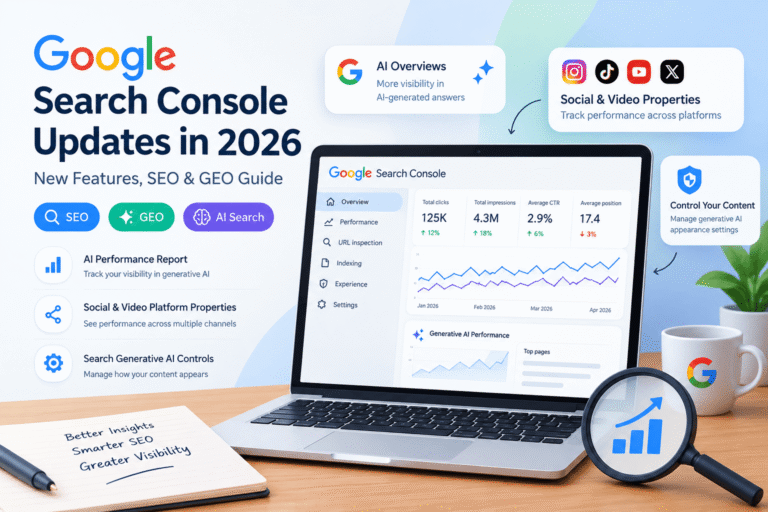
SEO is an ongoing process. Use tools such as Google Search Console and analytics platforms to understand how your website is performing.
Pay attention to:
- Organic clicks
- Impressions
- Search queries
- Click-through rate
- Indexed pages
- Ranking changes
- Pages receiving organic traffic
If an article receives many impressions but few clicks, improving its title and description may help. If a page receives traffic but users leave quickly, improving the content or user experience may be worthwhile.
For more SEO and digital marketing insights, you can also explore DailyScriptor’s SEO and technology content.
Final Thoughts
SEO is not about finding one trick that suddenly puts a website at the top of Google. Sustainable SEO comes from consistently creating useful content, understanding search intent, improving technical performance, and providing visitors with a positive experience.n.




You’re a really good writer. Very interesting story, written really well.