
Traveling does not always have to mean spending a huge amount of money. With the right planning, you can enjoy a memorable vacation while keeping your expenses under control. The key is knowing where your money is going before you leave and making smart choices about flights, accommodation, transportation, food, and activities.
If you are wondering how to plan a budget trip the process becomes much easier when you divide it into simple steps. Instead of booking everything randomly, you can create a realistic budget, choose an affordable destination, compare your options, and leave some room for unexpected expenses.
Budget travel does not mean removing everything enjoyable from your trip. It means spending more carefully on the things that matter most to you.
What Is a Budget Trip?
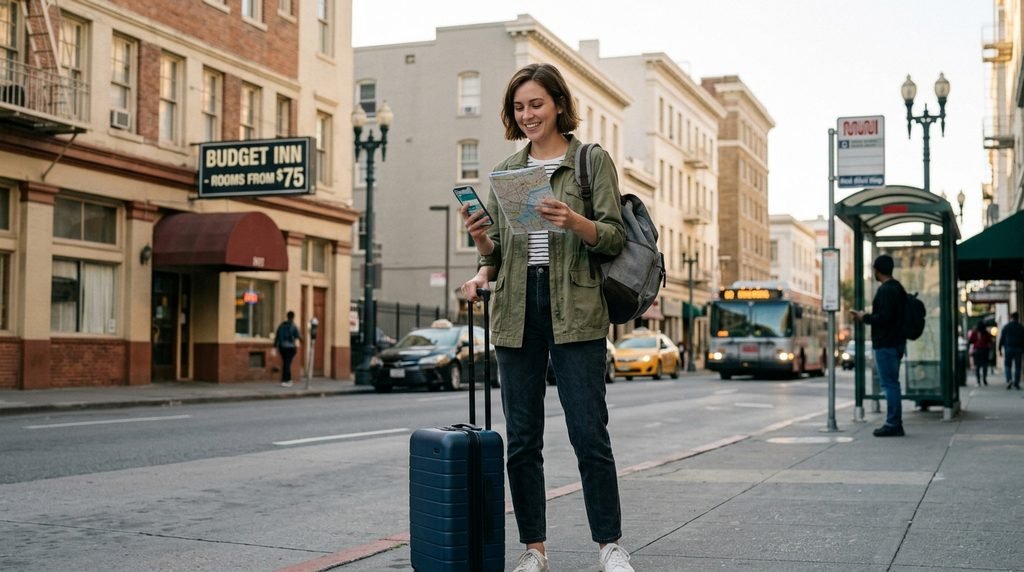
A budget trip is a vacation planned around a specific spending limit.
Your budget may include:
- Flights or other transportation
- Accommodation
- Food and drinks
- Local transportation
- Attractions and activities
- Travel insurance
- Shopping
- Emergency expenses
A good budget does not simply give you one total number. It breaks your expected expenses into categories so you know how much you can comfortably spend each day.
For example, instead of saying, “I have $1,000 for my vacation,” you could divide it into:
- $300 for transportation
- $300 for accommodation
- $200 for food
- $100 for activities
- $100 for emergencies
The exact numbers will depend on your destination and travel style.
1. Decide Your Total Travel Budget
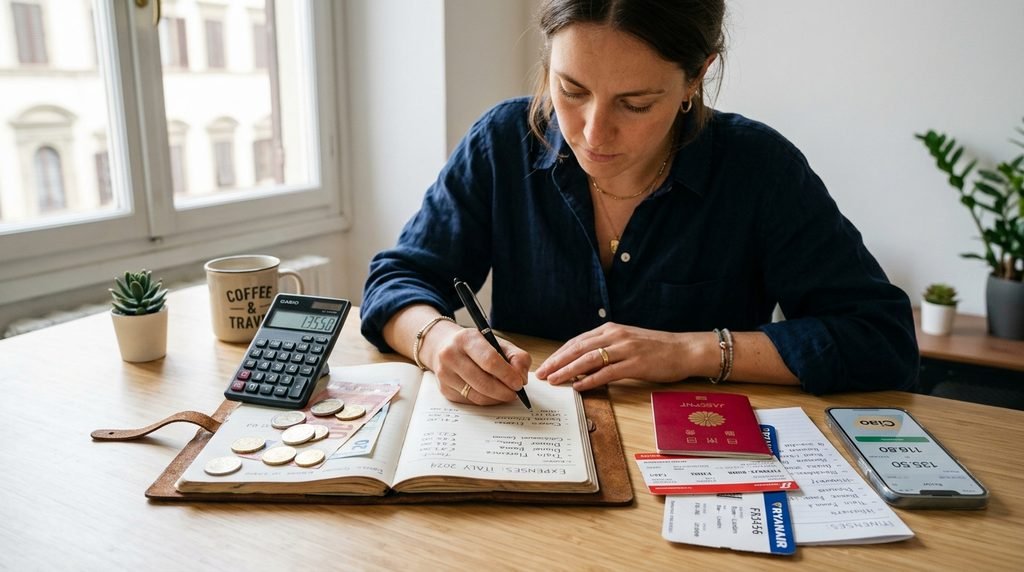
The first step in how to plan a budget trip is deciding how much you can actually afford to spend.
Start with your available travel money and separate it from money needed for your normal expenses. A vacation should not leave you struggling financially when you return home.
Ask yourself:
- How much can I comfortably spend?
- How many days can I travel?
- Am I traveling alone or with others?
- What type of accommodation do I prefer?
- Which experiences are most important to me?
Once you know your maximum budget, create a small emergency reserve.
For example, if your total travel budget is $1,000, you might plan to spend only $850–$900 and keep the remaining amount available for unexpected costs.
That small buffer can be useful if transportation prices change, you need medicine, lose something, or face another unexpected expense.
2. Choose an Affordable Destination
Your destination can have a bigger effect on your total expenses than almost anything else.
A destination with inexpensive accommodation, public transportation, and food can make a relatively short budget go much further.
When comparing destinations, look beyond the flight price.
Consider:
- Hotel prices
- Food costs
- Transportation
- Attraction fees
- Visa costs
- Local taxes
- Airport transfers
- Seasonal price changes
A cheap flight does not necessarily mean a cheap vacation.
For example, you might find an inexpensive flight to a destination where hotels and restaurants are extremely expensive. Another destination might have a slightly more expensive flight but much cheaper daily costs.
Therefore, compare the total estimated trip cost, not just airfare.
3. Travel During the Off-Season

Timing can make a major difference to your travel budget.
Peak travel periods often bring higher prices because more people are traveling. Depending on the destination, hotels, flights, and activities may become more expensive during holidays or popular seasons.
Off-season travel can sometimes provide better value.
Before booking, research:
- Peak season
- Shoulder season
- Off-season
- Local holidays
- Weather conditions
- Major events
You do not necessarily have to travel during the cheapest possible month. Sometimes the shoulder season offers a better balance between reasonable prices and good weather.
Current travel trends also show growing interest in slower and more immersive travel, including longer stays in one destination rather than rushing through several places.
4. Set a Daily Spending Limit
One of the easiest ways to control expenses is to create a daily budget.
Suppose you have $400 available for food, transportation, and activities during a five-day trip.
That gives you an average of:
$400 ÷ 5 = $80 per day
You do not have to spend exactly $80 every day.
You might spend:
- $50 on Day 1
- $100 on Day 2
- $60 on Day 3
- $120 on Day 4
- $70 on Day 5
The important thing is keeping your overall spending under control.
A daily spending limit also helps you decide whether you can afford an expensive activity or restaurant.
5. Find Cheap Flights
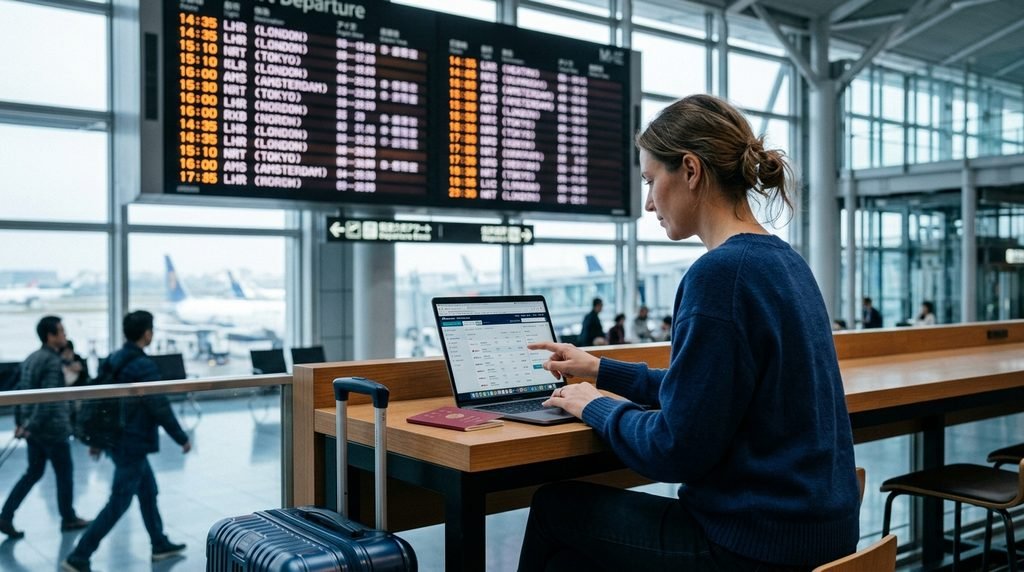
Flights can consume a large portion of a travel budget, especially for international trips.
When searching for flights, compare multiple dates rather than immediately choosing one specific day.
Look at:
- Different departure dates
- Different return dates
- Nearby airports
- One-way combinations
- Connecting flights
- Different airlines
- Baggage fees
Also check the total price, not just the advertised fare.
A flight that appears cheaper may become more expensive after baggage and additional charges.
Current Google travel developments increasingly include tools for comparing and tracking flight prices, making price monitoring easier for travelers.
6. Choose Affordable Accommodation
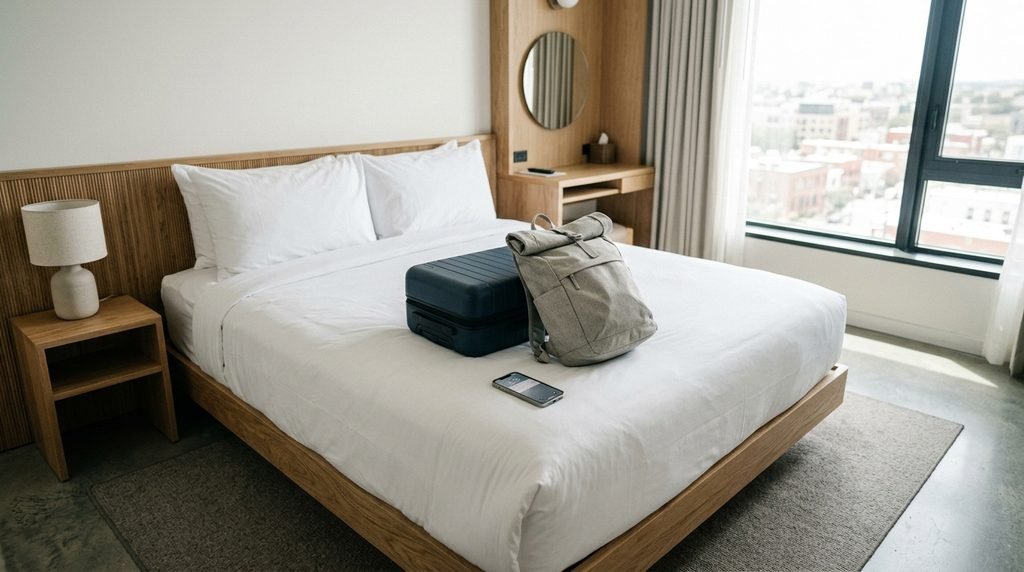
Accommodation is another major part of your travel budget.
You do not always need a luxury hotel to have a comfortable trip.
Depending on your destination, consider:
- Budget hotels
- Hostels
- Guesthouses
- Apartment rentals
- Family-run accommodations
- Longer-stay options
Before booking, compare the total cost.
A hotel with a low nightly rate might charge extra for breakfast, parking, Wi-Fi, taxes, or other services.
Location matters too.
A very cheap hotel far outside the city may require expensive transportation every day. Sometimes paying slightly more for a central location actually saves money.
7. Save Money on Transportation

Transportation costs can quietly increase your travel expenses.
Research the transportation system before you arrive.
Depending on the destination, you might use:
- Trains
- Buses
- Metro systems
- Walking
- Bicycles
- Shared transportation
If public transportation is reliable and affordable, it can be much cheaper than using taxis for every journey.
However, do not choose the cheapest option automatically. Consider the time involved, safety, convenience, and total cost.
8. Save Money on Food

Food is one area where small daily savings can become significant.
You do not need to avoid restaurants completely.
Instead, mix different options.
For example:
- Eat breakfast at your accommodation
- Buy snacks from local markets
- Have lunch at affordable local restaurants
- Cook occasionally if your accommodation allows it
- Save expensive restaurants for special occasions
Local food can also provide a better cultural experience than eating at expensive international chains.
Before traveling, research typical food prices at your destination so your food budget is realistic.
9. Plan Free or Low-Cost Activities

A memorable trip does not require paying for an attraction every few hours.
Many destinations have free or inexpensive experiences such as:
- Public parks
- Beaches
- Walking tours
- Historic neighborhoods
- Local markets
- Museums with free-entry days
- Hiking trails
- Cultural events
- Scenic viewpoints
Create a list of activities you really want to experience and prioritize them.
Instead of paying for ten average attractions, you might spend money on two or three experiences that you genuinely care about.
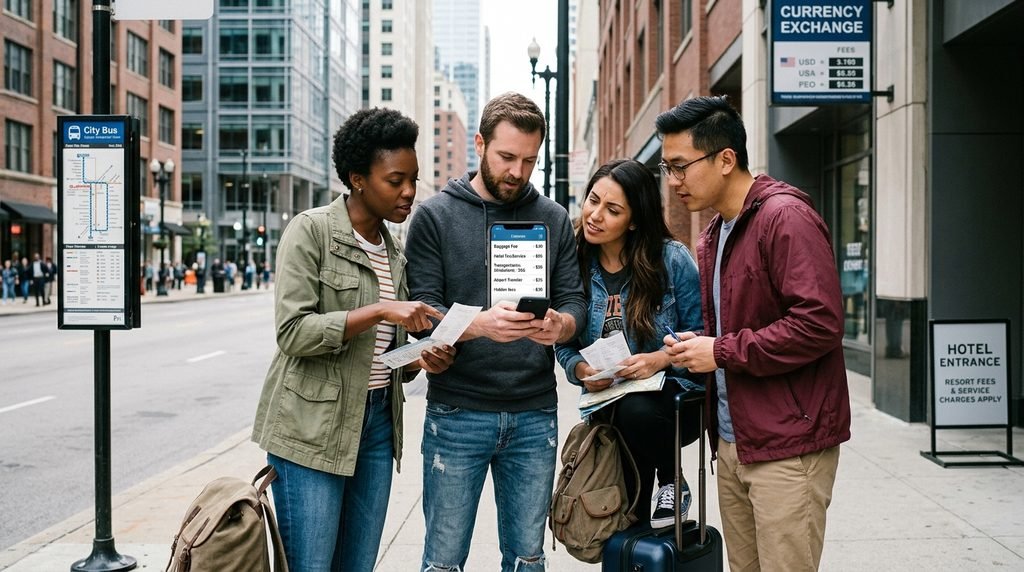
One of the biggest mistakes beginners make when learning how to plan a budget trip is forgetting smaller expenses.
Common hidden costs include:
- Airport transfers
- Baggage fees
- Tourist taxes
- ATM fees
- Currency exchange charges
- SIM cards
- Tips
- Travel insurance
- Snacks
- Parking
- Booking fees
These costs may look small individually, but several of them can add up quickly.
Create a “miscellaneous” category in your budget.
This gives you flexibility without destroying your main spending plan.
11. Create a Simple Travel Itinerary
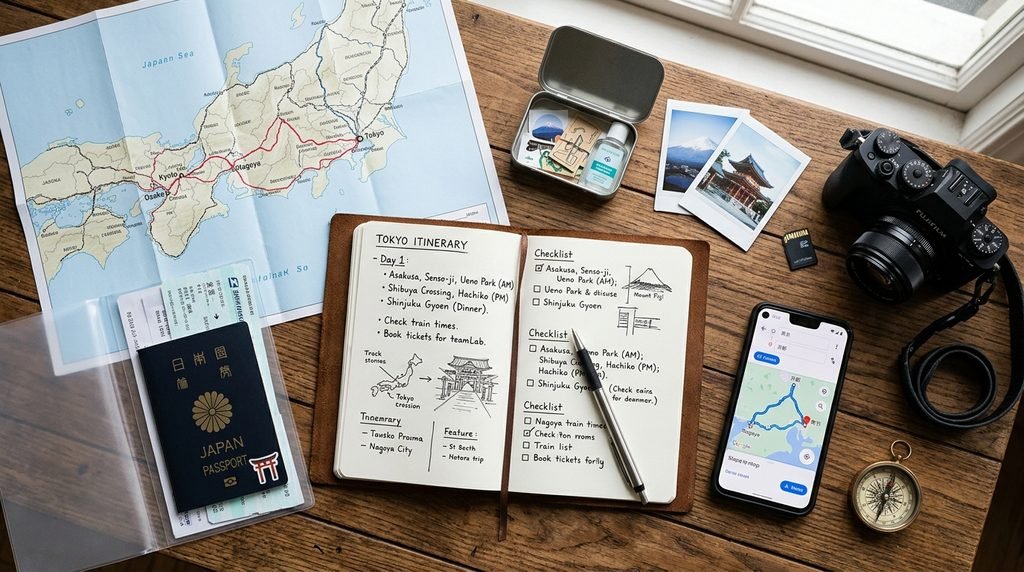
A good itinerary can save both money and time.
Instead of traveling randomly across a city, group activities by location.
For example:
Day 1: Historic center
Day 2: Museums and nearby attractions
Day 3: Beach area
Day 4: Local market and neighborhoods
Day 5: Free day and departure
This reduces unnecessary transportation and helps you make better use of your time.
But avoid making the itinerary so strict that you cannot enjoy the trip.
Leave some free time for unexpected discoveries.
12. Use Technology to Plan Smarter

Travel planning has become increasingly technology-driven.
Travelers can use digital tools to compare flights, research hotels, create itineraries, monitor prices, and organize reservations.
AI-powered travel planning is also becoming more common. Google reported in 2026 that searches for “AI travel assistant” and “AI concierge” had grown significantly year over year.
You can use AI to help:
- Create a draft itinerary
- Find activities based on your interests
- Organize destinations by distance
- Estimate categories of expenses
- Create packing checklists
- Generate alternative plans
However, always verify important information such as current prices, opening hours, visa requirements, transportation schedules, and travel restrictions using reliable sources.
13. Build a Budget-Friendly Packing List
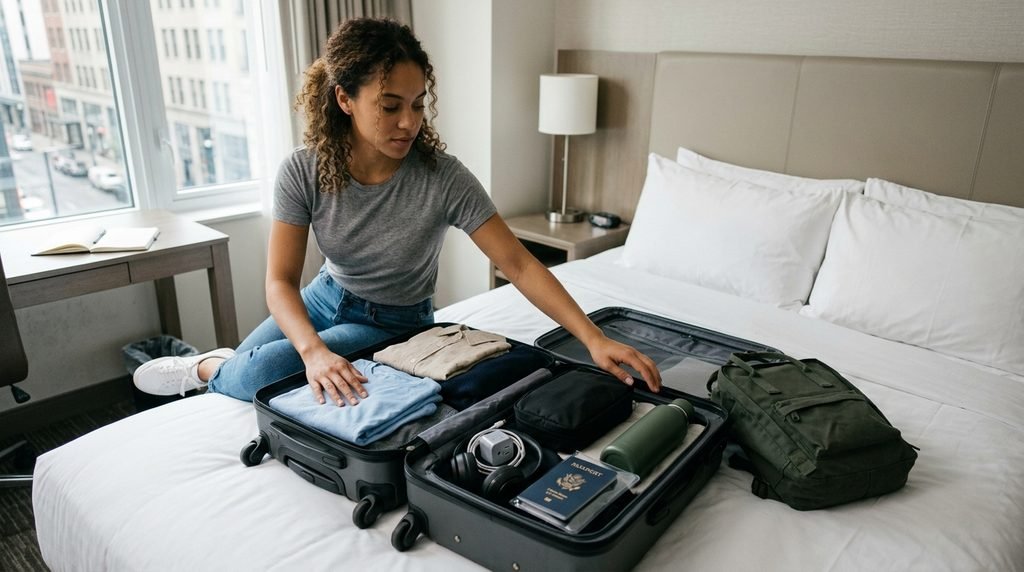
Packing properly can also save money.
For example, forgetting basic items may force you to buy them at expensive tourist shops.
Your packing list might include:
- Comfortable clothing
- Walking shoes
- Toiletries
- Chargers
- Power adapter
- Reusable water bottle
- Necessary medications
- Travel documents
- Small day bag
Check your airline’s baggage rules before packing so you do not accidentally pay additional baggage charges.
14. Keep an Emergency Fund
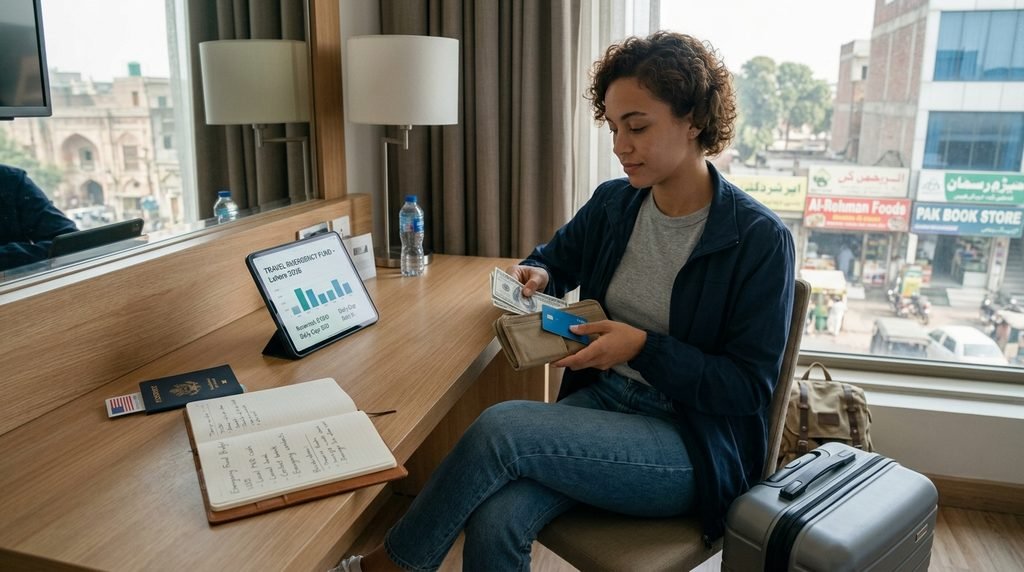
Even the best budget trip plan can face unexpected expenses.
Your emergency money should be separate from your daily spending budget.
It can help cover:
- Unexpected transportation
- Medical expenses
- Lost belongings
- Last-minute accommodation
- Emergency purchases
You may never need it, but having it can make your trip much less stressful.
15. Example of a 5-Day Budget Trip
Imagine you have a total budget of $1,000.
A simple plan could look like this:
| Expense | Budget |
|---|---|
| Flights | $300 |
| Accommodation | $300 |
| Food | $150 |
| Local transportation | $80 |
| Activities | $70 |
| Emergency/Miscellaneous | $100 |
| Total | $1,000 |
This is only an example. Actual costs will vary significantly by destination, season, travel dates, and travel style.
The important lesson is to give every major expense a limit.
16. Common Budget Travel Mistakes
Avoiding mistakes is just as important as finding deals.
Booking only because the price looks cheap
A cheap flight or hotel is not always the cheapest overall option.
Forgetting transportation costs
A cheap hotel far from everything may increase your daily transportation expenses.
Spending too much on the first days
Some travelers spend heavily at the beginning and then struggle to stay within budget.
Ignoring exchange rates and fees
Currency conversion and ATM fees can quietly increase your expenses.
Planning too many activities
Trying to visit everything can increase transportation and entrance costs while making your trip exhausting.
Not leaving emergency money
Always leave some room for unexpected expenses.
Budget Travel Checklist
Before leaving, check the following:
- Total budget calculated
- Flights compared
- Accommodation booked
- Daily spending limit created
- Transportation researched
- Food budget estimated
- Main activities selected
- Travel documents checked
- Insurance considered
- Emergency money reserved
- Packing list completed
- Important bookings saved offline
FAQs
How do I plan a budget trip for the first time?
Start by setting a total spending limit. Then choose an affordable destination, compare transportation and accommodation, create a daily spending allowance, and reserve money for emergencies.
What is the cheapest way to travel?
There is no single cheapest method for every destination. Public transportation, off-season travel, budget accommodation, flexible dates, and local food can often reduce overall costs.
How much money should I save before traveling?
Save enough to cover your planned expenses plus an emergency buffer. Your ideal amount depends on the destination, trip length, accommodation, transportation, and activities.
Is it cheaper to travel during the off-season?
Often, yes. Prices can be lower when demand is reduced, although this depends on the destination and time of year.
How can I save money on hotels?
Compare multiple properties, check the total price including fees, consider alternative accommodation, and compare the cost of staying centrally versus farther away.
Should I make a detailed itinerary?
A basic itinerary is useful, but it should leave some flexibility. Grouping nearby activities together can save both transportation costs and time.
Final Thoughts
Learning how to plan a budget trip is mostly about making decisions before your money disappears.
Start with a realistic total budget, choose a destination that fits your finances, compare flights and accommodation, control daily spending, and leave room for unexpected costs.
You do not have to remove every enjoyable experience to travel affordably. Instead, decide what matters most and spend your money there.
A successful budget vacation is not necessarily the cheapest possible trip. It is a trip where your money is spent intentionally, your important experiences are protected, and you return home without unnecessary financial stress.
How did you find this article?
Your feedback helps us improve.
Thank you for your feedback!
You finished this article!
Great job! Here are 3 more articles you might enjoy.