
Good health is not built through one perfect meal, one intense workout, or a strict routine that lasts for a few days. It develops through small decisions that you repeat consistently. The way you eat, move, sleep, manage stress, and spend your everyday time can gradually shape your overall well-being.
The good news is that you do not need to completely change your life overnight. Starting with a few realistic habits and building from there can make a healthy lifestyle easier to maintain.
These healthy habits can support better nutrition, regular physical activity, quality sleep, stress management, and long-term wellness. The goal is not perfection. The goal is to create routines that fit your life and that you can continue over time.
Health note: This article provides general wellness information, not individual medical advice. People with medical conditions, special dietary needs, or concerns about symptoms should speak with a qualified healthcare professional.
What Are Healthy Habits?

Healthy habits are repeated behaviors that support physical and mental well-being. They can include eating a varied diet, staying physically active, getting enough sleep, managing stress, avoiding tobacco, and maintaining social connections.
The World Health Organization describes self-care as actions people can take to promote and maintain health and well-being. Its examples include healthy eating, physical activity, enough sleep, avoiding tobacco, avoiding excessive alcohol use, and connecting with others.
A common mistake is to think that being healthy requires following a complicated routine. In reality, simple actions can add up.
For example, you might:
- Drink water regularly.
- Add vegetables or fruit to meals.
- Walk more during the day.
- Choose nutritious foods more often.
- Keep a consistent sleep schedule.
- Take short breaks from prolonged sitting.
- Make time for friends and family.
- Find practical ways to manage stress.
These actions may seem small individually, but consistency is what makes them meaningful.
1. Eat a More Balanced Diet

One of the most important healthy lifestyle habits is developing a balanced approach to food.
A healthy diet does not mean eating only salads or eliminating entire food groups without a medical reason. It means choosing a variety of nutritious foods and maintaining balance and moderation.
The WHO identifies adequacy, balance, moderation, and diversity as core principles of a healthy diet. It recommends a varied diet that includes foods such as vegetables, fruits, legumes, whole grains, nuts, and suitable sources of protein.
Try building meals around:
- Vegetables and fruits
- Whole grains
- Beans and lentils
- Nuts and seeds
- Eggs, fish, poultry, or other suitable protein sources
- Lower-fat dairy or appropriate alternatives
You do not have to make every meal perfect. Instead, focus on the overall pattern of your diet.
2. Eat More Whole and Minimally Processed Foods

Another practical way to improve your diet is to make whole or minimally processed foods the foundation of many meals.
Examples include:
- Oats
- Brown rice
- Whole-grain bread
- Beans
- Lentils
- Fresh or frozen vegetables
- Whole fruits
- Nuts
- Seeds
- Eggs
- Fish
- Lean meats
Highly processed foods are not automatically forbidden, but many can contain large amounts of salt, free sugars, or unhealthy fats. WHO guidance recommends emphasizing nutritious foods while limiting foods high in unhealthy fats, free sugars, and sodium.
A simple approach is to ask yourself:
“What nutritious food can I add to this meal?”
Adding something beneficial can be easier to maintain than focusing only on what you need to remove.
3. Make Water Your Main Drink

Staying hydrated is another simple part of everyday wellness.
Water needs vary depending on factors such as activity, climate, diet, age, and individual circumstances. Rather than following one universal number, pay attention to your body’s needs and follow medical advice if you have a condition that affects fluid intake.
A practical habit is to keep a reusable water bottle nearby.
You can also make hydration easier by:
- Drinking water with meals
- Carrying water when leaving home
- Choosing water instead of sugary drinks more often
- Drinking more during hot weather or physical activity when appropriate
If you have a medical condition that requires fluid restriction, follow your healthcare professional’s advice instead.
4. Make Physical Activity Part of Your Week

Regular movement is one of the most valuable healthy habits for adults.
Physical activity does not have to mean spending hours in a gym. Walking, cycling, swimming, recreational sports, active transportation, household activities, and structured workouts can all contribute to your overall activity.
WHO recommends that adults get at least 150–300 minutes of moderate-intensity aerobic physical activity per week, or an equivalent amount of vigorous activity. It also recommends muscle-strengthening activities on at least two days per week.
If you are currently inactive, you do not need to jump directly into an intense program.
Start with something manageable:
- Take a 10–20 minute walk.
- Use stairs when practical.
- Walk during short breaks.
- Try beginner strength exercises.
- Spend less time sitting continuously.
- Gradually increase activity as your fitness improves.
The CDC also notes that adults can gain health benefits from sitting less and doing any amount of moderate-to-vigorous physical activity.
5. Build Healthy Habits to Lose Weight Gradually

For people who want to manage their weight, sustainable routines are generally more useful than extreme short-term plans.
Some healthy habits to lose weight may include:
- Eating balanced meals consistently
- Increasing vegetables and other high-fiber foods
- Choosing appropriate portions
- Reducing frequent sugary drinks
- Staying physically active
- Getting adequate sleep
- Planning meals instead of relying on impulse choices
- Monitoring progress without obsessing over daily changes
Weight management is affected by many factors, including food intake, activity, sleep, medications, genetics, health conditions, and environment. Therefore, there is no single routine that works for everyone.
If you have significant weight concerns or an underlying medical condition, professional guidance can help you choose an appropriate approach.
6. Prioritize Quality Sleep

Sleep is not something you should sacrifice whenever life becomes busy.
Adults generally need adequate sleep, and the CDC notes that getting enough sleep can support mood, stress management, attention, memory, heart health, metabolism, and healthy weight.
To create better sleep habits, try to:
- Go to bed at a consistent time.
- Wake up at a consistent time.
- Keep your bedroom comfortable and quiet.
- Reduce stimulating activities before bed.
- Turn off electronic devices at least 30 minutes before bedtime.
- Avoid caffeine later in the day if it interferes with sleep.
- Exercise regularly.
If you regularly struggle with sleep despite making changes, talk with a healthcare professional.
7. Create a Simple Morning Routine

Your morning does not need to begin at 5 a.m. to be productive or healthy.
A realistic morning routine might include:
- Getting up at a consistent time.
- Drinking water.
- Eating a nutritious breakfast if you prefer breakfast.
- Getting some daylight.
- Doing light movement.
- Reviewing your priorities for the day.
The best routine is one you can realistically repeat.
If you have only 20 minutes available, do not create a two-hour routine that you will abandon after three days.
8. Reduce Long Periods of Sitting

Modern work and entertainment can involve many hours of sitting.
You do not need to eliminate sitting completely. Instead, look for opportunities to interrupt long periods of inactivity.
Try:
- Standing during phone calls.
- Walking for a few minutes between tasks.
- Taking short movement breaks.
- Walking to nearby places when practical.
- Stretching during work breaks.
- Using stairs when appropriate.
Regular movement throughout the day can complement structured exercise.
WHO emphasizes that physical activity includes movement during work, transportation, leisure, sports, and everyday activities—not only formal workouts.
9. Manage Everyday Stress

Stress is part of normal life, but constantly feeling overwhelmed can make it harder to maintain good routines.
Stress management does not have to involve complicated techniques.
You might try:
- Taking a short walk
- Practicing slow breathing
- Spending time outdoors
- Talking with someone you trust
- Reducing unnecessary commitments
- Taking breaks from screens
- Writing down tasks and priorities
- Making time for enjoyable activities
The goal is not to eliminate every stressful situation. Instead, develop ways to respond to everyday pressure more effectively.
If stress becomes persistent, severe, or starts interfering with daily life, professional support may be appropriate.
10. Make Healthy Eating Easier
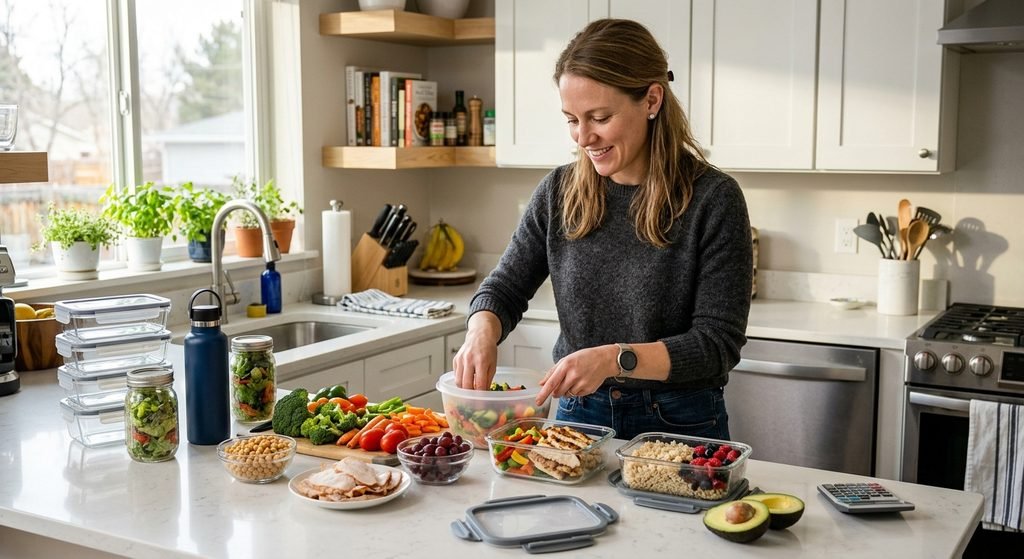
Knowing what to eat is one thing. Making nutritious choices convenient is another.
If healthy food requires too much effort every time you are hungry, you may be more likely to choose whatever is fastest.
Meal preparation can help.
For example, you can:
- Wash and prepare vegetables in advance.
- Keep fruit easily accessible.
- Cook larger portions and save leftovers.
- Prepare simple protein sources ahead of time.
- Keep healthy snacks available.
- Make a basic weekly meal plan.
You do not need to prepare every meal for seven days at once. Even preparing one or two components can make the next meal easier.
11. Practice Portion Awareness

Healthy foods can still contribute to excessive calorie intake when portions are consistently larger than your body’s needs.
Portion awareness does not require weighing every ingredient.
Instead, pay attention to:
- How hungry you are
- How quickly you are eating
- The size of your serving
- Whether you are eating because of hunger or habit
- How you feel after eating
Eating slowly and reducing distractions during meals can make it easier to notice fullness.
If you are managing a medical condition or have specific nutritional requirements, individualized advice from a registered dietitian or healthcare professional may be more appropriate than generic portion rules.
12. Spend More Time Outdoors

Time outdoors can be a simple way to make movement and relaxation part of your routine.
You could:
- Take a morning walk.
- Eat a meal outside when practical.
- Visit a local park.
- Walk with a friend.
- Spend time gardening.
- Explore a nearby trail.
Outdoor activities can also make physical activity feel less like a chore.
The important thing is to choose activities you genuinely enjoy.

Wellness is not only about food and exercise.
Relationships and social connection can also be part of a healthy lifestyle. Spending meaningful time with family, friends, colleagues, or community groups can provide companionship and emotional support.
Simple ideas include:
- Calling a friend.
- Eating a meal with family.
- Joining a recreational activity.
- Volunteering.
- Participating in a community group.
- Planning regular social activities.
WHO includes connecting with others among lifestyle choices that support self-care and well-being.
14. Avoid Tobacco and Limit Harmful Behaviors

Some of the most valuable lifestyle improvements come from reducing behaviors that can harm health.
Avoiding tobacco is an important part of maintaining health. WHO also lists refraining from tobacco and avoiding excessive alcohol use among healthy lifestyle choices.
If you currently use tobacco or are struggling with alcohol use, quitting or reducing consumption can be difficult. Professional support can make the process more manageable.
Do not feel that you have to change everything at once.
Choose one area, make a realistic plan, and build from there.
15. Make Your Healthy Habits Sustainable

The most important part of a healthier lifestyle is consistency.
You may follow a perfect routine for one week, but if it is too restrictive to maintain, it is unlikely to become part of your normal life.
Instead of making ten major changes at once, start with two or three.
For example:
Week 1
- Walk for 20 minutes on most days.
- Drink water more regularly.
Week 2
- Add fruit or vegetables to more meals.
- Set a consistent bedtime.
Week 3
- Add two strength-training sessions.
- Prepare simple meals at home.
Week 4
- Review what worked.
- Adjust what did not.
- Continue building gradually.
This approach makes daily healthy habits easier to maintain.
How to Stay Consistent With Healthy Habits
Starting is often easier than continuing.
The following strategies can help.
Start Small
A five-minute walk is better than creating an unrealistic workout plan you never follow.
Connect a New Habit to an Existing One
For example, take a short walk after lunch or prepare tomorrow’s breakfast while cleaning up dinner.
Track Your Progress
You can use a calendar, notebook, or phone app to record your habits.
The goal is not to become obsessed with tracking. It is simply to make your progress visible.
Expect Imperfect Days
Missing one workout or eating an unhealthy meal does not erase your progress.
Return to your normal routine at the next opportunity.
Make the Healthy Choice Convenient
Keep nutritious foods available and exercise equipment easy to access.
Your environment can influence your decisions.
Focus on Long-Term Progress
A healthier lifestyle is not a seven-day challenge.
Think in terms of months and years rather than trying to transform yourself overnight.
A Simple Daily Healthy Habits Checklist
Here is a practical checklist you can adapt to your lifestyle:
- Eat a varied, balanced diet.
- Include fruits or vegetables in your meals.
- Drink water regularly.
- Move your body throughout the day.
- Follow a regular sleep schedule.
- Take breaks from prolonged sitting.
- Spend some time outdoors.
- Make time for people you care about.
- Practice a stress-management activity.
- Avoid tobacco.
- Keep highly processed foods and sugary drinks from becoming everyday staples.
- Review your routine and adjust it when necessary.
You do not need to check every box every day.
Use this list as a guide rather than a test.
Common Mistakes When Starting a Healthy Lifestyle
Trying to Change Everything at Once
Changing your diet, exercise, sleep, work schedule, and social life simultaneously can become overwhelming.
Start with a few priorities.
Following Extreme Diets
Very restrictive diets may be difficult to maintain and may not provide appropriate nutrition for everyone.
Focus on balanced eating rather than extreme rules.
Exercising Too Hard Too Quickly
If you are new to exercise, gradually increasing activity can be more realistic than starting with an intense program.
People with health conditions or concerns should seek appropriate professional guidance.
Ignoring Sleep
Some people focus heavily on food and exercise while treating sleep as optional.
It is an important part of overall health.
Expecting Immediate Results
Many lifestyle changes take time.
Judge your progress by consistency and how your routine is developing—not only by short-term results.
How Healthy Habits Can Support Weight Management
Weight management is one reason people search for ways to improve their daily routines.
Food choices, physical activity, sleep, and stress can all be relevant parts of a broader approach.
For example, replacing frequent sugary drinks with water, eating more nutrient-dense foods, increasing physical activity, and maintaining regular sleep can support a healthier lifestyle.
However, weight change is individual. A person’s results can be influenced by many factors, and healthy living should not be reduced to the number on a scale.
The better goal is to develop behaviors that support overall health while using appropriate professional guidance when needed.
How Long Does It Take to Build a Habit?
There is no universal number of days required to develop a habit.
Some behaviors become easier quickly, while others take longer depending on complexity, environment, motivation, and consistency.
Instead of asking, “When will this become automatic?” ask:
“Can I make this behavior easier to repeat tomorrow?”
That question keeps the focus on practical progress.
Final Thoughts
Building a healthier lifestyle does not require perfection.
The most useful healthy habits are often simple: eat a varied diet, stay active, sleep well, manage stress, maintain meaningful relationships, and make choices that support your long-term well-being.
Start with one or two changes that fit your current life. Once they become easier, add another.
A sustainable routine is more valuable than a perfect routine that lasts only a few days.
Your goal should not be to become “perfectly healthy.” Instead, aim to make slightly better choices consistently and create a lifestyle that you can realistically maintain.
Frequently Asked Questions
What are the most important healthy habits?
Some of the most important habits include eating a varied and balanced diet, getting regular physical activity, sleeping adequately, avoiding tobacco, managing stress, and maintaining social connections.
What are 5 healthy habits to start with?
A simple starting point is to improve your food choices, drink water regularly, move more, maintain a consistent sleep schedule, and make time for stress management or social connection.
Can healthy habits help with weight loss?
They can support a broader weight-management approach. Eating nutritious foods, being physically active, sleeping adequately, and managing daily routines can all contribute, but individual results vary.
How can I start healthy habits?
Choose one or two small behaviors that are realistic for your schedule. Make them easy to repeat, track your progress if helpful, and gradually add new behaviors.
What are healthy eating habits?
Healthy eating habits include eating a varied diet, emphasizing nutritious foods such as vegetables, fruits, whole grains, legumes, and suitable protein sources, and limiting foods high in free sugars, unhealthy fats, and excess sodium.
How much exercise should adults get?
WHO recommends adults get at least 150–300 minutes of moderate-intensity aerobic activity per week, or an equivalent amount of vigorous activity, along with muscle-strengthening activity on at least two days per week.
Why is sleep important for a healthy lifestyle?
Adequate sleep supports areas such as mood, attention, memory, stress management, heart health, and metabolism. Consistent sleep routines can also support better sleep quality.
Do I need to change my entire lifestyle at once?
No. Starting with a few realistic changes is often easier to maintain. Build gradually and adjust your routine as you learn what works for you.
When should I talk to a healthcare professional?
Speak with a qualified healthcare professional if you have persistent symptoms, a medical condition, significant concerns about your weight or nutrition, or questions about starting exercise or making major dietary changes.
How did you find this article?
Your feedback helps us improve.
Thank you for your feedback!
You finished this article!
Great job! Here are 3 more articles you might enjoy.