
Table of Contents
The automotive industry is undergoing the biggest transformation in over a century. Electric vehicles, autonomous driving technology, and advanced safety systems are reshaping how people think about personal transportation. Whether you are a first-time car buyer or an experienced driver looking to upgrade, understanding the current automotive landscape helps you make smarter decisions.
In this comprehensive automotive guide 2026, we explore the most important trends of the year, compare the best electric cars on the market, and share practical tips for car maintenance and budgeting that every vehicle owner should know.
Why the Automotive Industry Is Changing Rapidly
Several forces are driving the rapid evolution of the automotive sector, as our automotive guide 2026 explains. Government regulations on emissions are pushing manufacturers toward electrification. Consumer demand for smarter, safer vehicles is accelerating the adoption of advanced driver-assistance systems. Meanwhile, rising fuel costs and growing environmental awareness are encouraging more drivers to consider electric alternatives.

The shift toward electric vehicles is not just a trend. Major automakers have committed billions of dollars to electrification. New models are arriving every year with longer range, faster charging, and more affordable price points. This makes it an exciting time to explore your options in the automotive market.
Best Electric Cars in 2026
The electric vehicle market has matured significantly, and this automotive guide 2026 breaks down your best options. Today’s EVs offer impressive range, cutting-edge technology, and lower running costs compared to traditional gasoline cars. Here are some of the top categories to consider:
Best Budget-Friendly EVs
If you are looking for an affordable entry point into electric driving, several models now offer solid range under $35,000 before incentives. These vehicles are ideal for daily commuting and city driving, with enough battery capacity for most weekly routines.
Best Long-Range Electric SUVs
For families who need space and versatility, electric SUVs now deliver over 300 miles of range on a single charge. They combine the practicality of a traditional SUV with the efficiency and smooth performance of an electric powertrain.
Best Performance EVs
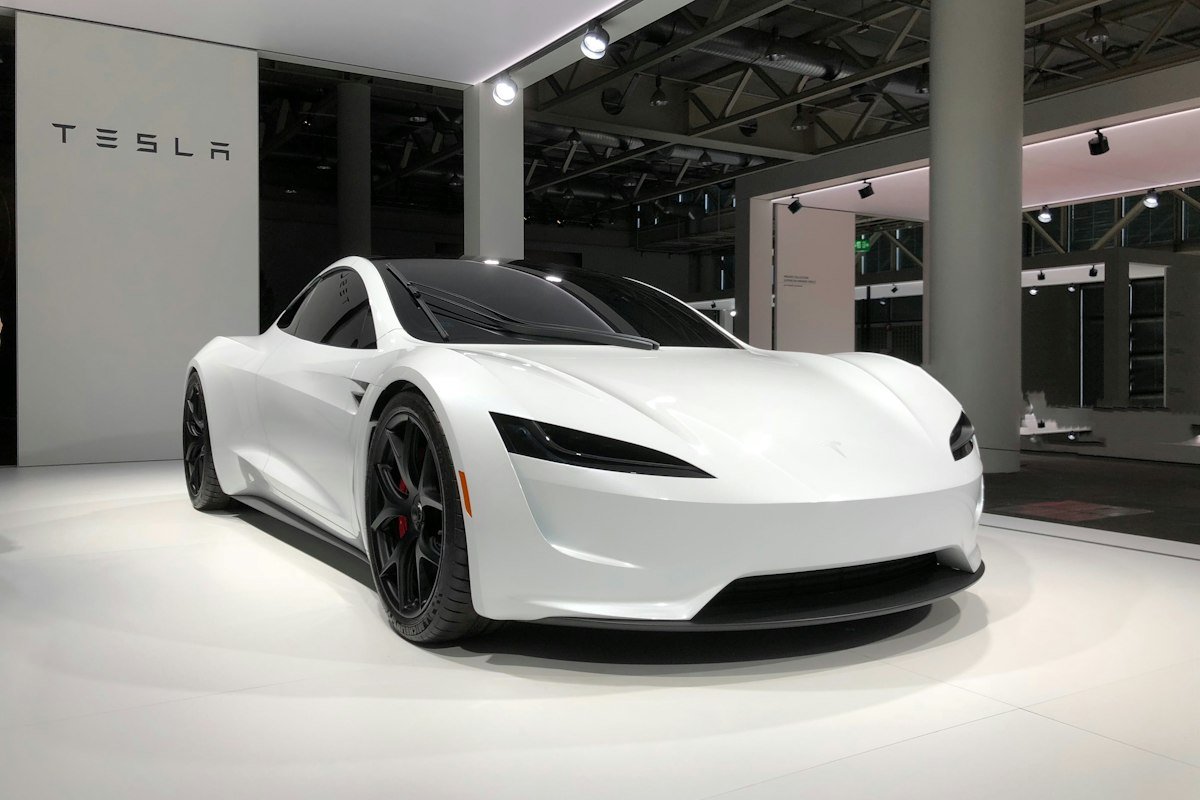
Electric performance cars have redefined what is possible in terms of acceleration and handling. Instant torque delivery and low center of gravity make these vehicles incredibly fun to drive, while advanced battery technology ensures they can handle both track days and road trips.
Electric vs Gasoline: Which Is Right for You?
Choosing between an electric vehicle and a traditional gasoline car depends on your driving habits, budget, and lifestyle. Here is a quick comparison to help you decide:
- Running costs: Electricity is generally cheaper than gasoline per mile, and EVs have fewer moving parts that require maintenance.
- Charging infrastructure: If you have access to home charging, an EV is extremely convenient. Public charging networks are expanding rapidly but may still be limited in some areas.
- Range anxiety: Modern EVs offer 250 to 400+ miles of range, which covers most daily driving needs. However, long road trips may require some planning around charging stops.
- Environmental impact: EVs produce zero tailpipe emissions, making them a cleaner choice for reducing your carbon footprint.
For many drivers, the transition to electric is already a clear win. As technology continues to advance, the gap between EVs and traditional vehicles will only widen further.
Essential Car Maintenance Tips for Every Driver
As this automotive guide 2026 highlights, regardless of whether you drive an electric or gasoline vehicle, regular maintenance is key to keeping your car safe and reliable. Here are some essential tips that apply to all vehicle owners (see also our money-saving guide):
1. Check Your Tires Regularly
Tire pressure and tread depth directly affect your vehicle’s safety, fuel efficiency, and handling. Check your tire pressure at least once a month and inspect the tread for uneven wear. Properly maintained tires can improve fuel economy by up to 3% and significantly reduce the risk of blowouts.
2. Follow the Manufacturer’s Service Schedule
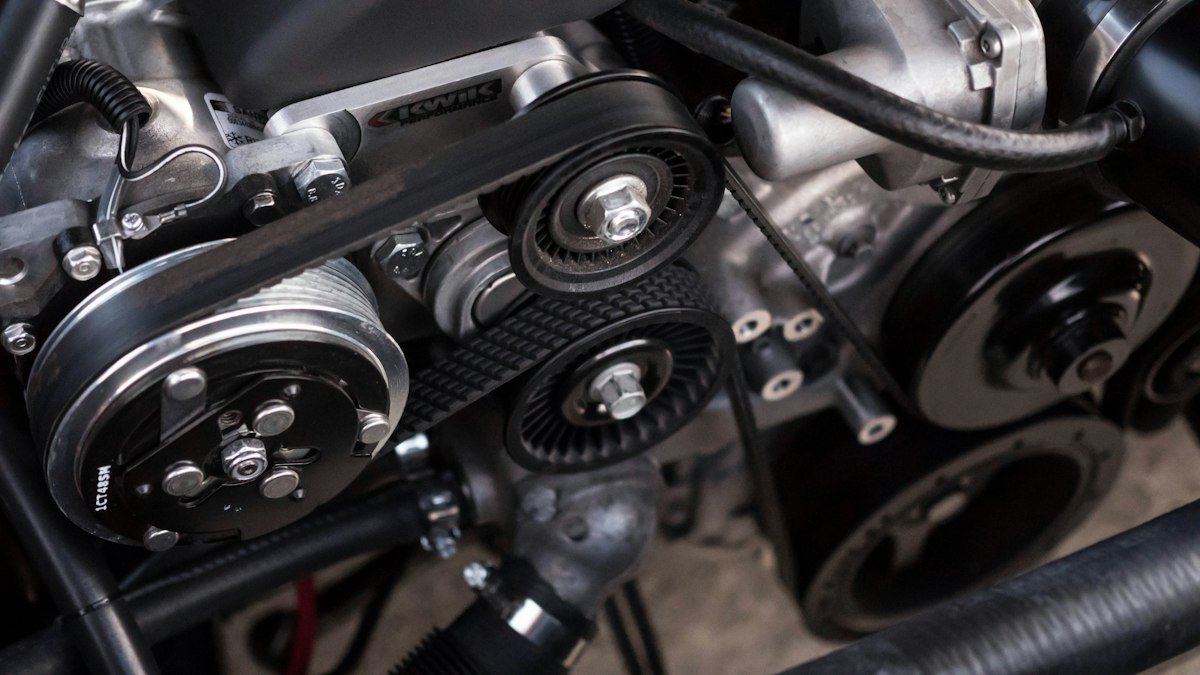
Every vehicle comes with a recommended maintenance schedule. Sticking to this schedule ensures that oil changes, brake inspections, fluid checks, and other critical services are performed on time. Skipping maintenance can lead to expensive repairs down the road.
3. Keep an Emergency Kit in Your Car
A well-stocked emergency kit can make a big difference in unexpected situations. Include items like a flashlight, first-aid kit, jumper cables, reflective triangles, a spare tire, and basic tools. Being prepared gives you peace of mind on every journey.
4. Pay Attention to Warning Lights
Modern vehicles are equipped with sophisticated diagnostic systems. If a warning light appears on your dashboard, do not ignore it. Addressing issues early can prevent minor problems from becoming major and expensive repairs.
How to Budget for a New Car Purchase
Buying a new car is a significant financial decision, and our automotive guide 2026 helps you plan wisely. Proper budgeting ensures that you find a vehicle that fits your needs without straining your finances. Here are some practical steps:
- Determine your total budget: Financial experts generally recommend spending no more than 15% of your monthly take-home pay on all vehicle-related costs, including payments, insurance, fuel, and maintenance.
- Consider the total cost of ownership: The sticker price is just the beginning. Factor in insurance rates, fuel or charging costs, depreciation, and maintenance when evaluating your options.
- Save for a down payment: A larger down payment reduces your monthly payments and total interest paid over the life of the loan.
- Compare financing options: Shop around for the best interest rates from banks, credit unions, and dealerships before committing to a loan.
- Don’t forget about trade-in value: If you are trading in your current vehicle, research its value to maximize your negotiation position.
For more financial planning strategies, check out our guide on smart money management techniques that can help you save for your next vehicle purchase.
Future Automotive Technologies to Watch
The automotive world is full of exciting innovations on the horizon, a key focus of the automotive guide 2026. Here are some technologies that are expected to shape the future of driving:
Autonomous Driving
Self-driving technology has made significant progress in recent years. While fully autonomous vehicles are not yet widely available for consumer use, advanced driver-assistance features like adaptive cruise control, lane-keeping assist, and automated parking are already standard in many new cars.
Solid-State Batteries
Solid-state battery technology promises to revolutionize electric vehicles by offering higher energy density, faster charging times, and improved safety compared to current lithium-ion batteries. Several manufacturers expect to introduce vehicles with solid-state batteries within the next few years.
Vehicle-to-Grid Technology
Vehicle-to-grid (V2G) technology allows electric vehicles to feed stored energy back into the power grid. This creates a symbiotic relationship between your car and your home, potentially reducing your electricity bills while supporting grid stability during peak demand periods.
Tips for First-Time Car Buyers
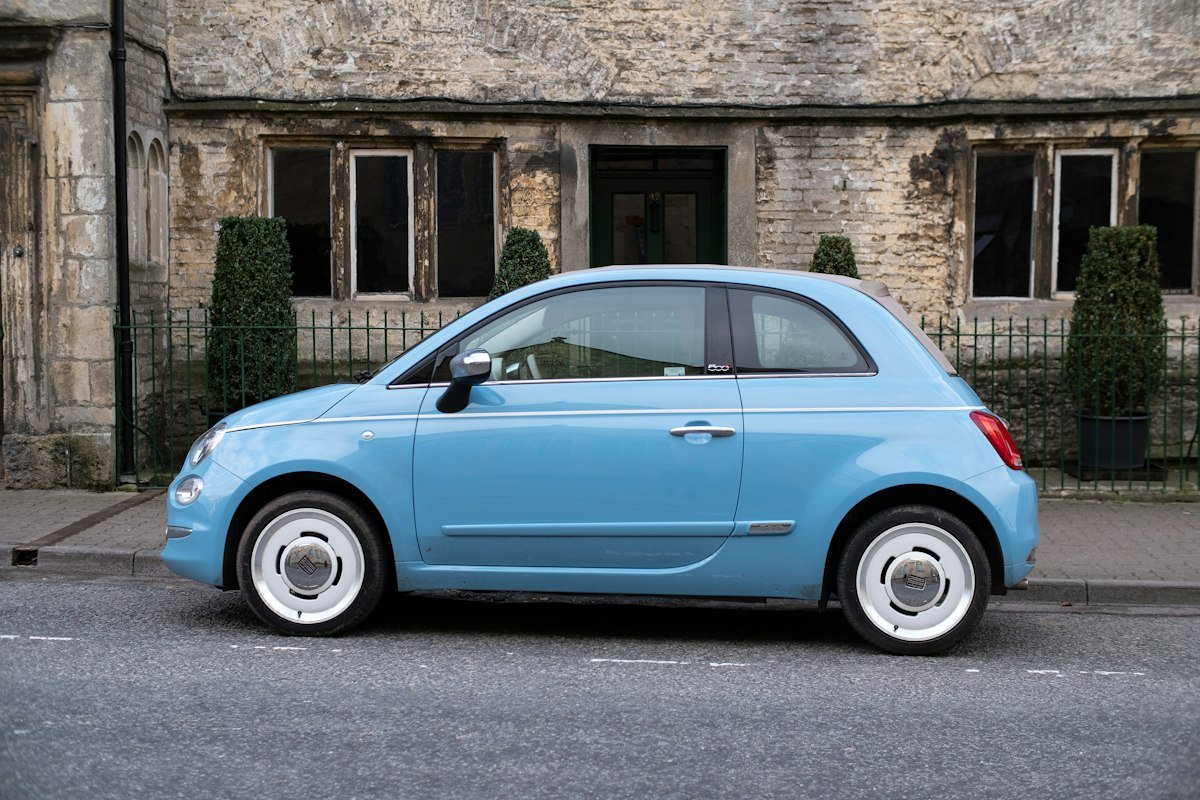
Purchasing your first car can feel overwhelming. This automotive guide 2026 shares some tips to make the process smoother and more rewarding:
- Do your research: Read reviews, compare models, and test drive multiple vehicles before making a decision.
- Get pre-approved for financing: Knowing your budget and interest rate before visiting a dealership puts you in a stronger negotiating position.
- Consider certified pre-owned: CPO vehicles offer a balance of affordability and reliability, often with extended warranty coverage.
- Inspect the vehicle thoroughly: Whether buying new or used, inspect the vehicle carefully and request a vehicle history report for used cars.
- Don’t rush: Take your time to find the right car at the right price. A thoughtful decision now will serve you well for years to come.
Frequently Asked Questions
What is the average lifespan of a car?
With proper maintenance, most modern vehicles can last between 150,000 and 200,000 miles. Some well-maintained cars exceed 300,000 miles. Electric vehicles may last even longer due to fewer moving parts and reduced mechanical wear.
Are electric cars cheaper to maintain?
Yes. Electric vehicles typically have lower maintenance costs because they do not require oil changes, have fewer brake components due to regenerative braking, and have simpler drivetrains with fewer parts that can fail.
How often should I change my oil?
For conventional gasoline engines, oil changes are typically recommended every 5,000 to 7,500 miles. However, always refer to your vehicle’s owner manual for the manufacturer’s specific recommendation, as it may vary based on driving conditions and oil type.
What is the best time of year to buy a car?
The end of the year, particularly December, often offers the best deals (related: personal finance basics) as dealerships aim to clear inventory. End of quarter (March, June, September) and holiday weekends like Memorial Day and Labor Day also feature significant promotions and incentives.
Final Thoughts
The automotive industry is evolving at an unprecedented pace, and this automotive guide 2026 has covered the essentials. From electric vehicles and autonomous driving to smart maintenance and financial planning, staying informed helps you make better decisions whether you are buying your first car or upgrading your current one.
By following the tips in this guide — maintaining your vehicle properly, budgeting wisely, and keeping an eye on emerging technologies — you can enjoy a safer, more efficient, and more enjoyable driving experience for years to come.